




Dante-enabled Product Catalog

Quantum5_FrontOn
  • DiGiCo

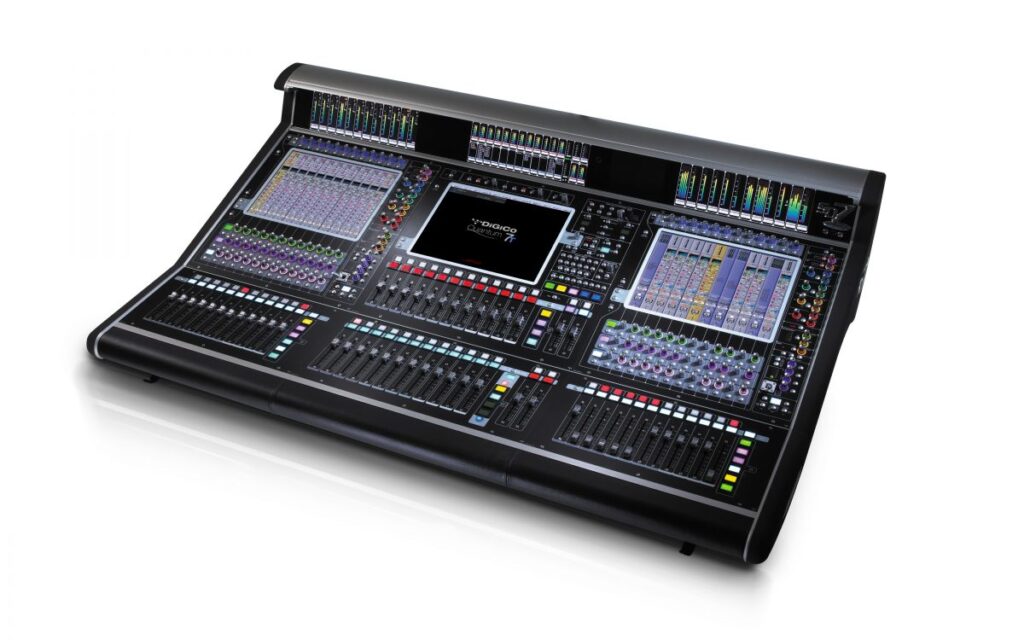
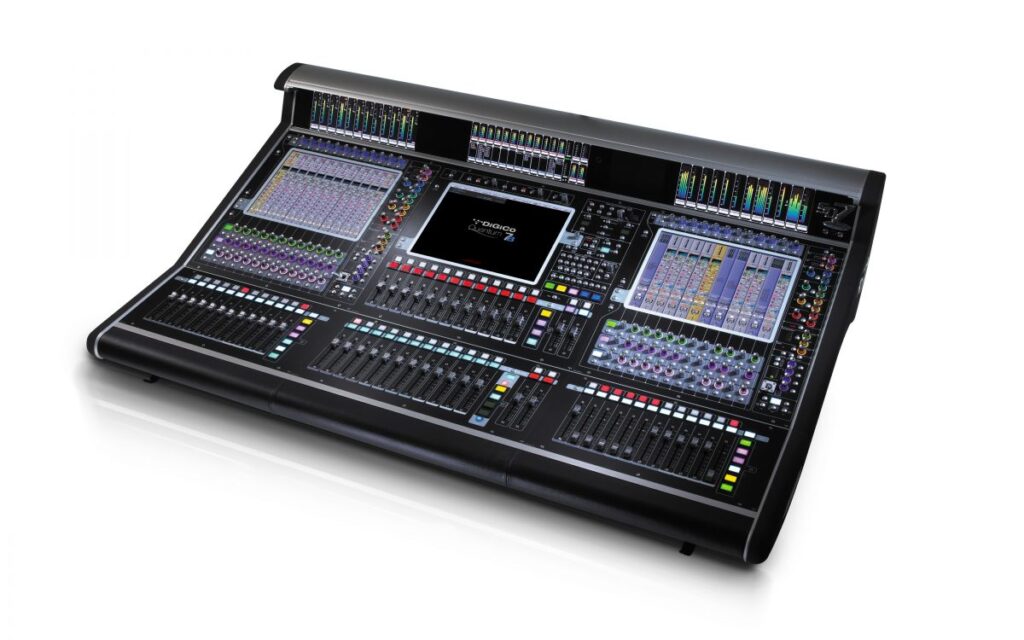
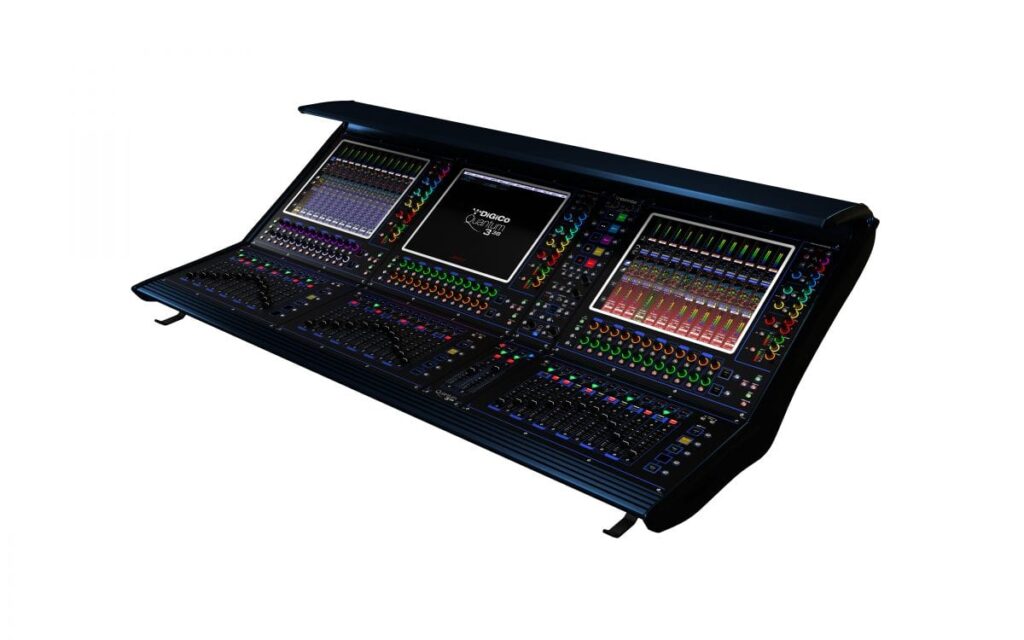
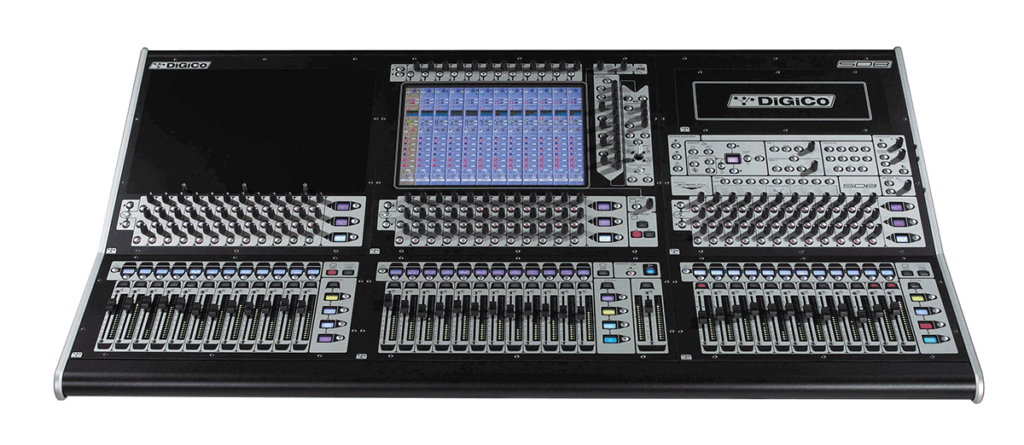
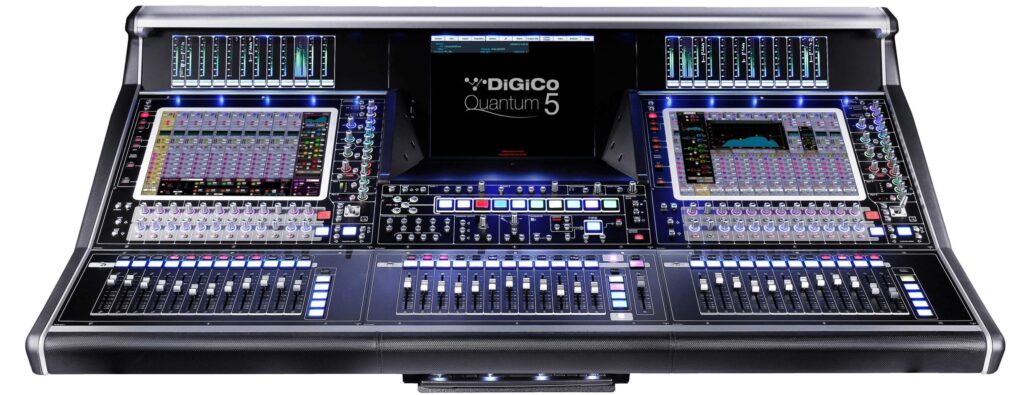
DiGiCo – Quantum 5

Continuing the legacy of previous Quantum consoles, the Quantum 5 brings you the extraordinary might of three large-scale FPGAs working in unison.

Developed with seventh generation FPGA devices that further expand audio processing power and allows DiGiCo to provide its users with unrivalled flexibility.

Inside the Quantum engine, up to 2,000 channels can be transported across 458 processing paths at 96kHz. New GTX ports run at 6.6GHz while simple two wire connections ensure the fastest possible data speeds to reach a new pinnacle in mixing capability. Fully scalable and designed to communicate seamlessly with the next generation of FPGAs, the Quantum engine is a uniquely formidable platform for an ambitious industry.

Under The Hood

Unlike the SD5, the Quantum 5 has over 450 processing paths at 96kHz. This includes 288 processing channels configurable as up to 256 input channels and up to 128 busses, plus a 36 x 36 matrix. The engine is also equipped with four redundant, or eight individual, MADI ports and two DMI slots (DiGiCo Multi-Channel Interface) for AoIP and other connectivity options from the complete family of DMI card options, plus a built-in Waves port and up to two Optocore loops.

Quantum 5 hosts the world’s most flexible and feature-rich mixing experience right at your very fingertips. Across both inputs and outputs includes Channel Delay, DiGiTube, Single and Multi-Channel Presets, Dual insert points, Hi- and Lo-pass filters at 24dB/octave, four-band parametric EQ (eight on outputs) with band curve selection and Dynamic EQ on each band, DiGiCo’s DYN 1 (Compressor, De-esser or Multiband Compressor) and DYN 2 (Gate, Compressor or Ducker).

Just like our other Quantum consoles, the Quantum 5 includes the legendary Mustard Processing. A fully integrated suite of additional processing that can be assigned to any strip to boost your mix with a range of modelled preamps, vintage dynamics units and EQ sections, all only a touch away.

In addition, 128 busses are assignable as mono/stereo groups or auxiliaries, while a 36×36 output matrix, dual solo busses with True Solo, and a LR/LCR/5.1 Master buss is available for even deeper configurability.

Last but not least, with the inclusion of the now highly regarded Nodal Processing which allows monitor engineers unrivalled creativity on their IEM mixes, and of course True Solo to allow them to hear exactly as their artist does.

Quantum 5 Features

Nodal Processing which allows monitor engineers unrivalled creativity on their IEM mixes.

True Solo to allow them to hear exactly as their artist does. These are combined with the multiple flavours of 48 channels of Mustard processing and 12 Spice Rack processing slots, including Chilli 6.

Mustard processing which provides a choice of two pre-amp modellers, a four-band EQ (including all-pass filters), four different boutique style compressor models and a gate/ducker. Quantum 5 is equipped with 48 mono Mustard processing strips which can be used on any channel type.

The Spice Rack, meanwhile, supports plugin style native FPGA processing options, allowing you to build a rack of up to twelve insertable processors. The first of these is the Chilli 6 – a six-band multi-band compressor which allows full control of all parameters, including DiGiCo’s unique, patented, release shape control, which means Chilli 6 is perfect for shaping vocals and instruments as well as focusing on problem frequencies.

I/O

Local I/O: Quantum 5’s local I/O includes 8 analogue inputs, 8 analogue outputs and 8 AES I/O (mono)

Optocore: The amount of connectivity is very special. Quantum5 comes as standard with one Optocore fibre loop, which is 504 channels of audio; there can be up to 14 DiGiCo racks, or a combination of racks and tie-lines around the loop; and there is an option to upgrade to dual loop, which allows for 1,008 Optocore channels of audio and 28 racks running.

UBMADI: In addition, the engine has a 48-channel UBMADI, so you can connect any laptop via USB and get 48 channels of recording and playback.

DMI: We have also incorporated two dedicated DMI slots to accommodate the growing family of DiGiCo DMI card options. Allowing the console connectivity to be configured for the demand of the tour or event, so you could plug in a Dante module, or the latest automatic mic mixing module. Each dedicated DMI slot provides you with an additional 64 x 64 I/O.

Waves: There is also Waves connectivity if you want to utilise SoundGrid processing, giving you a 64 x 64 additional I/O.

  • Mixers
Q225_Screen_Side_High_Res_Main0000 (1)|QRack_Dante_Back_Angle_0004
  • DiGiCo

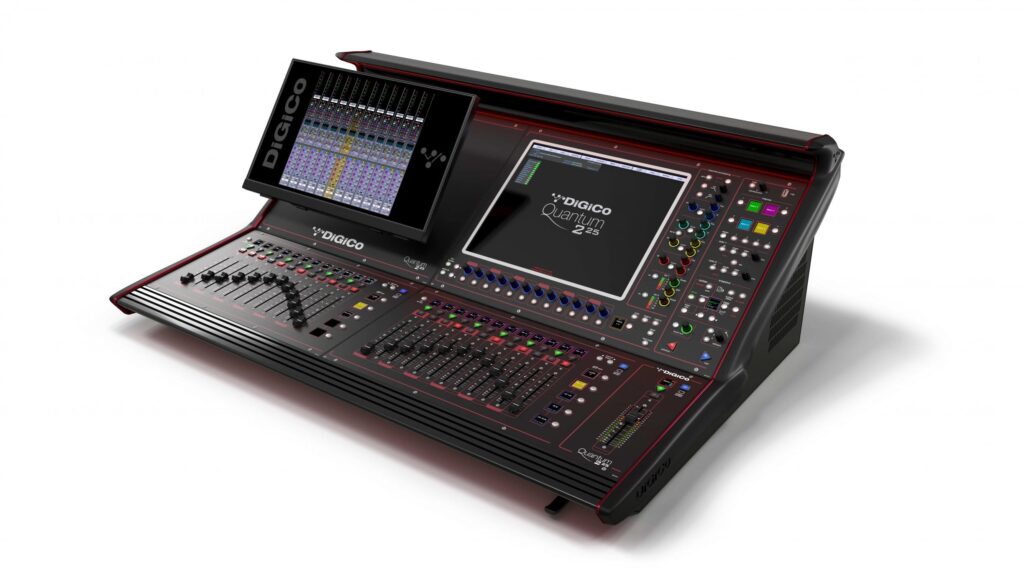
DiGiCo – Quantum 225

Under The Hood

Quantum 225 brings a 17-inch, 1000 nit, high brightness multitouch screen with both a meter bridge and soft quick select buttons for quick and intuitive operation. 41 individual TFT LCDs displaying channel information and metering, bank information, macros and more guide you immediately to the controls you need. Plus, 25 100mm touch sensitive faders in two banks of 12 plus a dedicated user-assignable master fader with high resolution metering.

But there’s more… The defining feature of the Quantum 225 is the ability to customise the left worksurface with the Mounting Bracket. Mount a laptop for creative control, or a KLANG:kontroller for immersive control. You could even mount an extra screen to show your KLANG:app, plugin computer, console overview screen, or it could even display the channel screen for your left bank of faders, transforming your Quantum 225 into a dual screen console at an unbelievable price point!

With a maximum of 72 input channels with 36 busses and a 12 x 12 matrix, all with full channel processing, Quantum 225 brings Quantum to a wider user base. Also included as standard are Mustard Processing channel strips, Spice Rack plugin style native FPGA processing options, Nodal Processing and True Solo.

I/O

Despite being a smaller format console, there hasn’t been any sacrifice when it comes to connectivity.

Local I/O: Quantum 225’s local I/O includes 8 analogue inputs, 8 analogue outputs and 2 AES I/O (4 channels)

MADI: Quantum 225 offers 2 redundant MADI in/out at 48kHz, which can also be configured as 4 MADI I/O. At 96kHz this acts as 2 MADI I/O with full channel counts.

Optocore: The Quantum 225 offers the option to add a single or dual loops of Optocore. On each loop, which is 504 channels of audio; there can be up to 14 DiGiCo racks, or a combination of racks and tie-lines around the loop. With dual Optocore loops, that’s 1,008 Optocore channels of audio and 28 racks running.

UBMADI: In addition, the engine has a 48-channel UBMADI, so you can connect any laptop via USB and get 48 channels of recording and playback.

DMI: We have also incorporated two dedicated DMI slots to accommodate the growing family of DiGiCo DMI card options. Allowing the console connectivity to be configured for the demand of the tour or event, you could plug in a Dante module, or the latest automatic mic mixing module. Each dedicated DMI slot provides you with an additional 64 x 64 I/O.

Waves: There is also an option to add Waves connectivity if you want to utilise SoundGrid processing, giving you a 64 x 64 additional I/O.

  • Mixers
QRack_Dante_Back_Angle_0004
  • DiGiCo

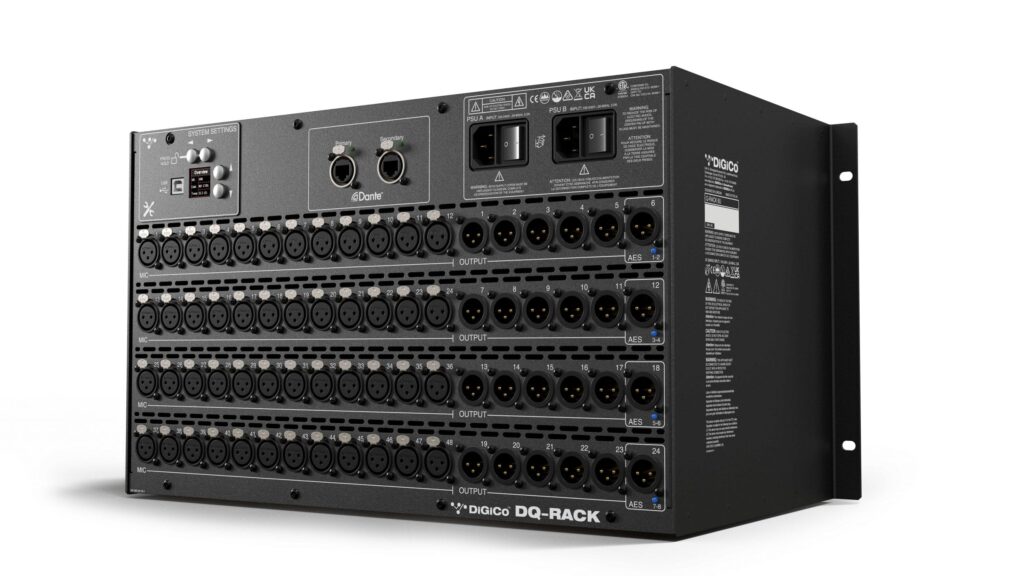
DiGiCo – DQ-Rack

The DQ-Rack provides all of the power of our larger racks, but in a more compact unit, and harnessing the flexibility of Audinate’s Dante protocol.

The compact 6U rack sports 48 mic inputs and up to 24 line outputs. Clever audio design allows the last 4 outputs to be switched between line outputs and stereo AES/EBU outputs, adding up to a maximum of 8 AES/EBU output channels.

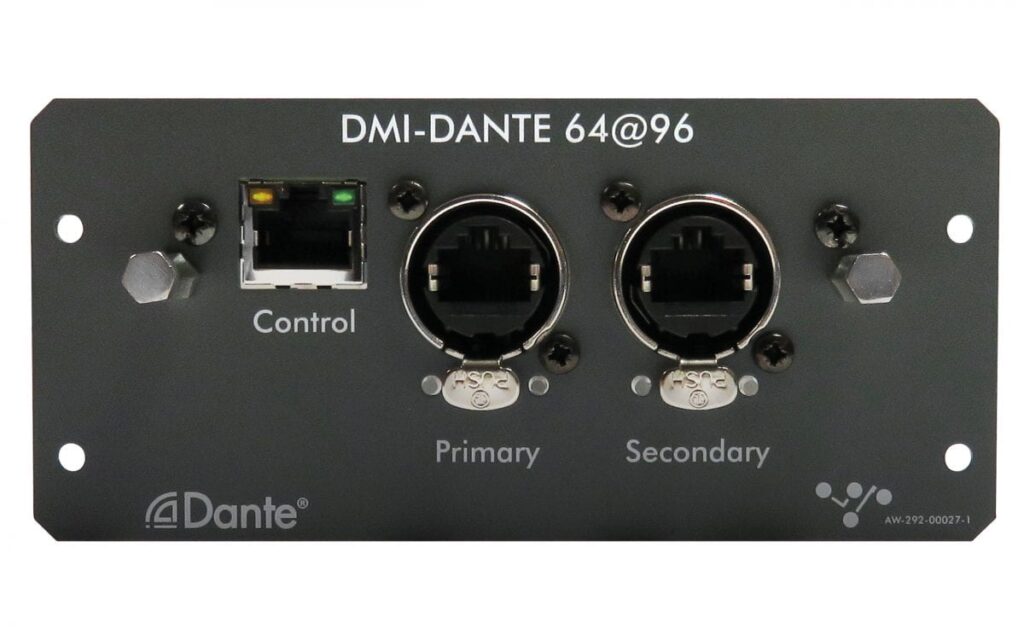
Making use of Dante means that existing infrastructure can be used for flexible and familiar installation. Plus, connection to a DiGiCo console via the DMI-DANTE64@96 means all inputs and outputs on the racks can be accessed at both 48kHz and 96kHz.

To ensure ultimate reliability the DQ-Rack is equipped with dual redundant power supplies as standard.

  • I/O Interfaces
A168D_STAGE_DanteLogo_2
  • DiGiCo

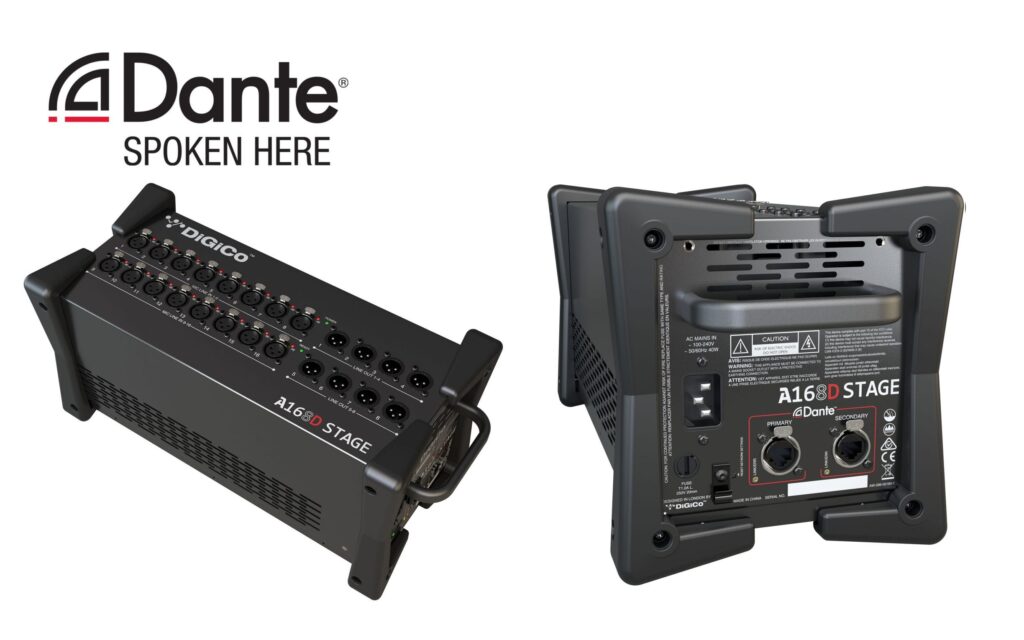
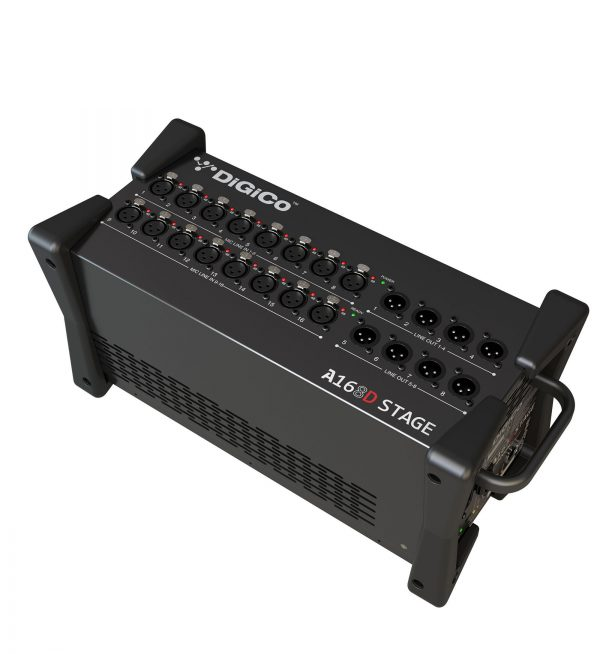
DiGiCo – A168D STAGE

The A168D Stage is a portable 16 input 8 output I/O Expander, again using the Dante network protocol to provide additional I/O anywhere on a network. It comes with 16 mic preamps on XLR inputs with Phantom Power status LEDs and 8 XLR line outputs with direct preamp control from the 4REA4 controller software. It runs at 48k and 96k and is AES67 compatible. Primary and secondary ports again come with locking EtherCON connectors and can run in redundant or switched mode.

  • I/O Interfaces
A164D_WALL_DanteLogo_3
  • DiGiCo

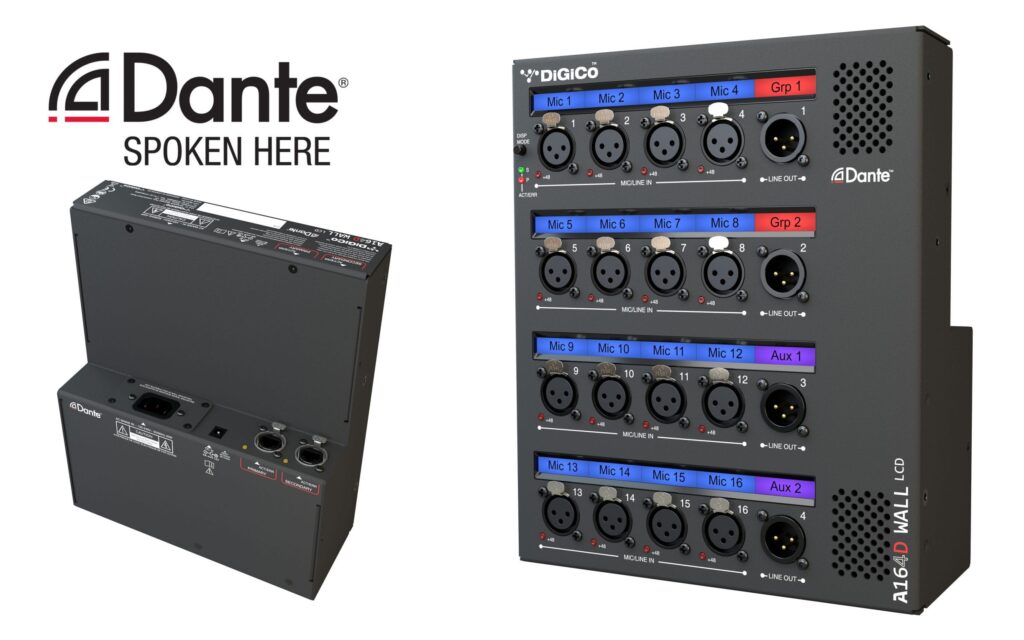
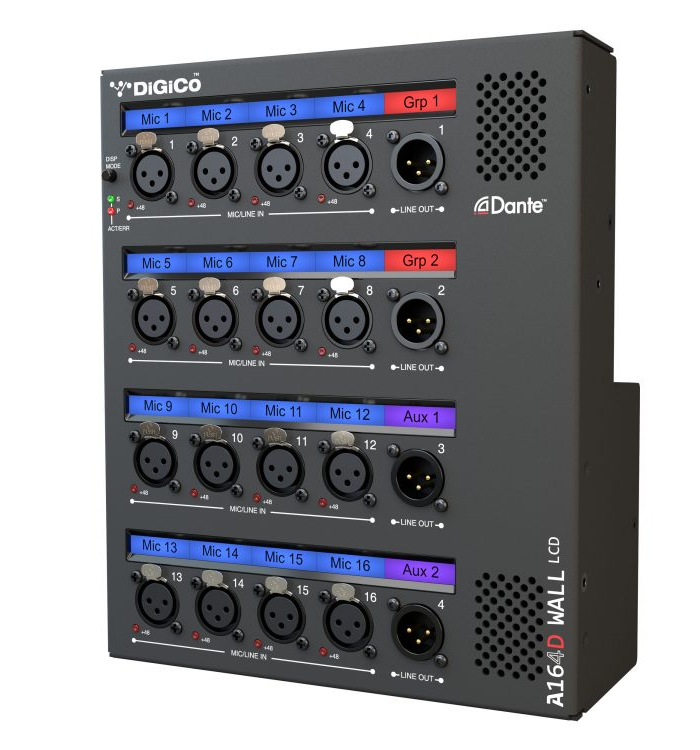
DiGiCo – Dante A164D WALL LCD

The A164D Wall LCD is a 16 input 4 output I/O Expander that uses the Dante network protocol to provide fixed, additional I/O anywhere on a network and is designed for wall or floor mounting. It comes with 16 Mic Preamps on XLR inputs with Phantom Power status LEDs and four XLR Line Outs with direct preamp control from the 4REA4 controller software. It can run at both 48K and 96k sample rates and it is AES67 compatible. Primary and secondary Dante ports come with locking EtherCON connectors and can run in both redundant and switched mode. All LCD labels are dimmable and can be customised using Dante controller software.

  • I/O Interfaces
DMI-DANTE-64-96-Flat-1-1200x750
  • DiGiCo

DiGiCo – DMI-DANTE64@96

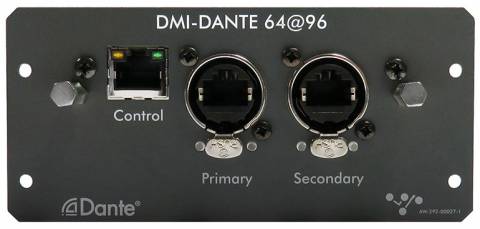
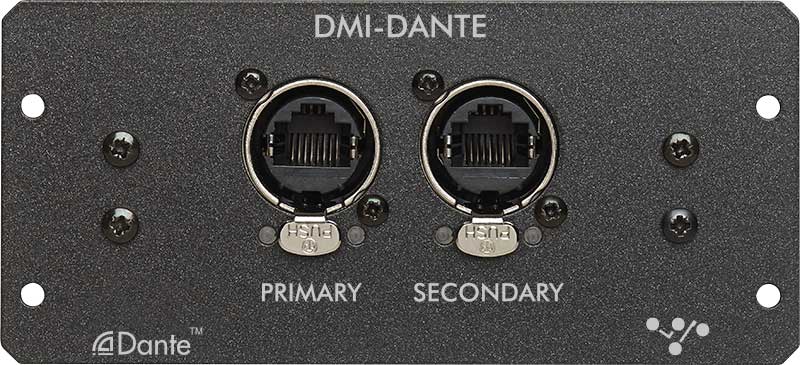
The DiGiCo DMI-DANTE64@96 allows 64 channels in and 64 channels out at both 48kHz and 96kHz. It has a Primary and a Secondary port, both of which are Ethercon ports, and an RJ45 Control port. The card has two modes that can be changed in Dante Controller. In Switched Mode, the three ports are switched together. In redundant mode, the Control and Primary ports shall be switched together and work as a redundant pair with the Secondary port, each having separate IP addresses so that if the primary connection fails, the secondary connection will take over.

  • Dante Interface Cards
S31_intro-1200x750
  • DiGiCo

DiGiCo – S31 48

With the latest V2.6 S-Series console fitted with a DMI-DANTE64@96 card providing 64 channels in and 64 channels out at both 48kHz and 96kHz, the package also includes three Dante enabled A168D STAGE I/O offering 48 mic inputs across multiple stages or auditoriums to deliver incredible sonic quality and flexibility.

  • Mixers
S21_intro-1200x750
  • DiGiCo

DiGiCo – S21 48

With the latest V2.6 S-Series console fitted with a DMI-DANTE64@96 card providing 64 channels in and 64 channels out at both 48kHz and 96kHz, the package also includes three Dante enabled A168D STAGE I/O offering 48 mic inputs across multiple stages or auditoriums to deliver incredible sonic quality and flexibility.

  • Mixers
Q7T_Intro-1200x750
  • DiGiCo

DiGiCo – Quantum 7T

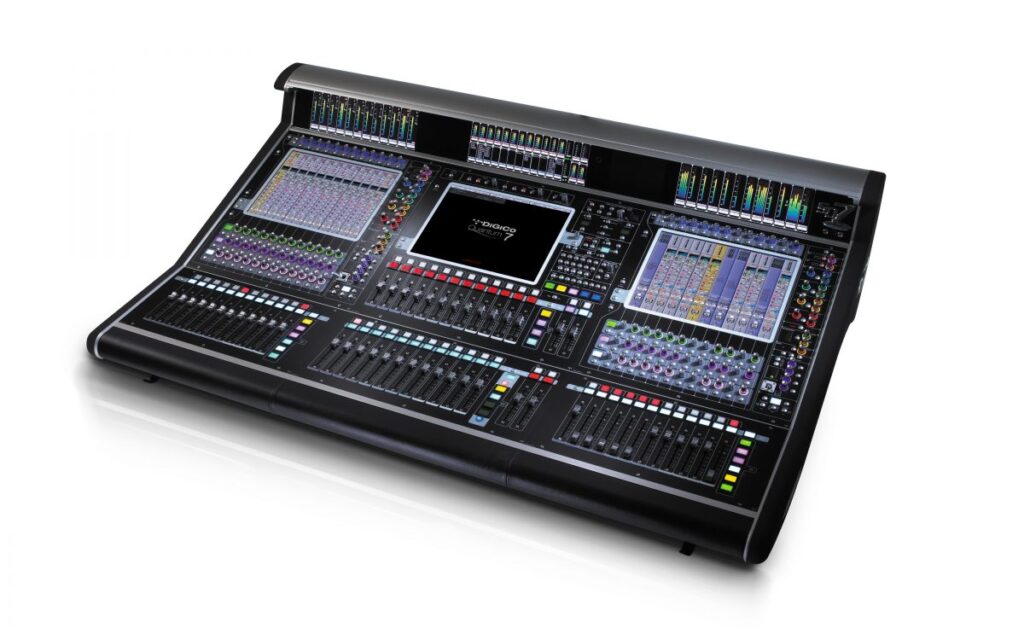
The fastest, smartest console ever created, Quantum 7 delivers the functionality, audio performance and sheer scale required to deliver the largest productions now and in the future. With Quantum 7, you have the power to tackle any challenge and truly own the room.

Built to exceed the ambitions of tomorrow’s touring productions, Quantum 7 breaks the barrier of seventh generation FPGA technology to deliver a dramatic leap forward in power and connectivity. All of this can be added to your existing SD7 surface, ensuring rental partners benefit from an even longer return on investment.

The result is a revolution of possibilities that towers above every other mixing platform available today.

Where once it was impossible to efficiently build an engine with more than one FPGA, now Quantum 7 brings you the extraordinary might of three large-scale FPGAs working in unison.

Inside the Quantum engine, up to 2,000 channels can be transported across 688 processing paths at 96kHz. New GTX ports run at 6.6GHz while simple two wire connections ensure the fastest possible data speeds to reach a new pinnacle in mixing capability. Fully scalable and designed to communicate seamlessly with the next generation of FPGAs, the Quantum engine is a uniquely formidable platform for an ambitious industry.

  • Mixers
Q7b_Intro-1200x750
  • DiGiCo

DiGiCo – Quantum 7B

The fastest, smartest console ever created, Quantum 7 delivers the functionality, audio performance and sheer scale required to deliver the largest productions now and in the future. With Quantum 7, you have the power to tackle any challenge and truly own the room.

Built to exceed the ambitions of tomorrow’s touring productions, Quantum 7 breaks the barrier of seventh generation FPGA technology to deliver a dramatic leap forward in power and connectivity. All of this can be added to your existing SD7 surface, ensuring rental partners benefit from an even longer return on investment.

The result is a revolution of possibilities that towers above every other mixing platform available today.

Where once it was impossible to efficiently build an engine with more than one FPGA, now Quantum 7 brings you the extraordinary might of three large-scale FPGAs working in unison.

Inside the Quantum engine, up to 2,000 channels can be transported across 688 processing paths at 96kHz. New GTX ports run at 6.6GHz while simple two wire connections ensure the fastest possible data speeds to reach a new pinnacle in mixing capability. Fully scalable and designed to communicate seamlessly with the next generation of FPGAs, the Quantum engine is a uniquely formidable platform for an ambitious industry.

  • Mixers
Q7_Intro-1200x750
  • DiGiCo

DiGiCo – Quantum 7

The fastest, smartest console ever created, Quantum 7 delivers the functionality, audio performance and sheer scale required to deliver the largest productions now and in the future. With Quantum 7, you have the power to tackle any challenge and truly own the room.

Built to exceed the ambitions of tomorrow’s touring productions, Quantum 7 breaks the barrier of seventh generation FPGA technology to deliver a dramatic leap forward in power and connectivity. All of this can be added to your existing SD7 surface, ensuring rental partners benefit from an even longer return on investment.

The result is a revolution of possibilities that towers above every other mixing platform available today.

Where once it was impossible to efficiently build an engine with more than one FPGA, now Quantum 7 brings you the extraordinary might of three large-scale FPGAs working in unison.

Inside the Quantum engine, up to 2,000 channels can be transported across 688 processing paths at 96kHz. New GTX ports run at 6.6GHz while simple two wire connections ensure the fastest possible data speeds to reach a new pinnacle in mixing capability. Fully scalable and designed to communicate seamlessly with the next generation of FPGAs, the Quantum engine is a uniquely formidable platform for an ambitious industry.

  • Mixers
a164dwall
  • DiGiCo

DiGiCo – A164D Wall LCD

The A164D Wall LCD is a 16 input 4 output I/O Expander that uses the Dante network protocol to provide fixed, additional I/O anywhere on a network and is designed for wall or floor mounting. It comes with 16 Mic Preamps on XLR inputs with Phantom Power status LEDs and four XLR Line Outs with direct preamp control from the 4REA4 controller software. It can run at both 48K and 96k sample rates and it is AES67 compatible. Primary and secondary Dante ports come with locking EtherCON connectors and can run in both redundant and switched mode. All LCD labels are dimmable and can be customised using Dante controller software.

  • I/O Interfaces
  • Wall Plates
a168dstage
  • DiGiCo

DiGiCo – A168D Stage

The A168D Stage is a portable 16 input 8 output I/O Expander, again using the Dante network protocol to provide additional I/O anywhere on a network. It comes with 16 mic preamps on XLR inputs with Phantom Power status LEDs and 8 XLR line outputs with direct preamp control from the 4REA4 controller software. It runs at 48k and 96k and is AES67 compatible. Primary and secondary ports again come with locking EtherCON connectors and can run in redundant or switched mode.

  • I/O Interfaces
DiGiCo_Quantum338_Intro_Image-1-1200x750
  • DiGiCo

DiGiCo – Quantum 338

Representing a dramatic leap forward in power and connectivity within a remarkably compact format, Quantum 338 follows the Quantum 7 in defining the future of audio mixing.

Boasting a wealth of new design features and enhancements to create ultimate flexibility of use plus the speed of operation that only Quantum can deliver, Quantum 338 is based on seventh generation FPGAs with an entirely new system architecture. The console merges tried and tested workflows with immense processing muscle and bold innovation including a striking new dark mode.

Quantum 338 puts a trio of 17-inch, 1000 nit, high brightness multitouch screens at your disposal, with both the meter bridge and soft quick select buttons displayed on each screen for quick, intuitive operation. In addition, 70 individual TFT channel displays join the floating Quantum chassis with 38 100mm touch sensitive faders laid out in three blocks of 12 fader banks plus two dedicated user-assignable faders, each with high resolution metering.

Superior local audio connectivity and performance comes courtesy of new “Ultimate Stadius” 32-bit ADC and DAC conversion, which is built into the Quantum 338 as standard alongside six single or three redundant MADI connections, dual DMI slots and a built-in UB MADI USB recording interface.

Also included as standard are Mustard Processing channel strips, Spice Rack plugin style native FPGA processing options, Nodal Processing and True Solo.

  • Mixers
DiGiCo_-_S21_1244pxl
  • DiGiCo

DiGiCo – S21

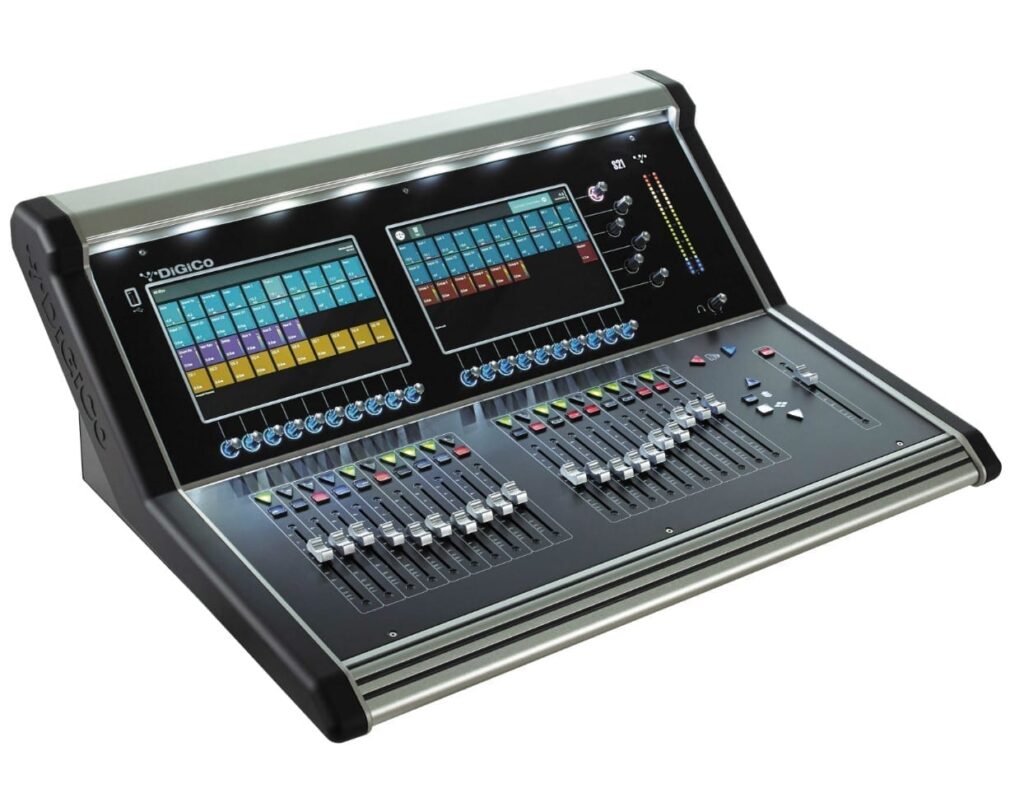
DiGiCo's belief in audio quality and road worthy mechanical design has limited their ability to release an affordable introductory product. These values have required the same pioneering approach to design, not to follow the trend but to deliver the flagship for a price point - and change expectations. DiGiCo's S21 does exactly that. By using new, lower cost FPGA components programmed with the same audio algorithms, and combined with a new form of control processor, DiGiCo is able to deliver the S21 with the fundamental technological values at it's core. Since it's inception in 2002, DiGiCo has always tried to innovate and push technology to deliver more in terms of flexibility and audio quality. There are limitless highlights, but two immediately come to mind; DiGiCo was the first console manufacturer to use TFT touch screen technology, and then went on to pioneer Stealth Digital Processing's FPGA technology to replace DSP as the main audio processor. Stealth Digital Processing has been instrumental in the SD Series range, where, in a recent independent survey, DiGiCo played a pivotal role in eight of the top ten international grossing tours of 2014; evidence enough that when it comes to live sound consoles, DiGiCo pioneers the way. ‘Cutting edge' means leading the world against the norm by demonstrating what can be possible with new unharnessed technology. That's exactly what the vision of FPGA and Stealth Digital Processing promised and the thousands of users today will confirm the reality. The flexibility of being able to reprogram devices from switch on to taking advantage of new compiling tools has allowed the SD range functionality to expand beyond expectation. Using SD9 as our reference example, those investing at the time of launch of this ground breaking product have seen their console evolve into something more comprehensive and powerful, ie: Channels - at launch 40 Flexi channels, today 48 flexi channels (20 % more). Busses - at launch 16 flexi busses, today 24 flexi busses (50 % more). Output Matrix - at launch 8 In / 8 Out, today 12 In / 8 Out. On board FX - at launch 4 FX, today 8 FX. Dynamic EQ - at launch 4 DYN EQ, today 8 DYN EQ No other console has evolved in terms of core processing to this level, and to take it further the complete sample rate shifted from 48kHz to 96kHz. This sample rate increase, in any ordinary console, would mean a reduction in audio processing. This is not the case with Stealth Digital Processing. When SD9 switched to 96kHz in 2012, there was no reduction in audio processing. All these updates were provided to existing owners at no additional cost, allowing them to make an exceptional return on their investment. DiGiCo's belief in audio quality and road worthy mechanical design has limited their ability to release an affordable introductory product. These values have required the same pioneering approach to design, not to follow the trend but to deliver the flagship for a price point - and change expectations. DiGiCo's S21 does exactly that. By using new, lower cost FPGA components programmed with the same audio algorithms, and combined with a new form of control processor, DiGiCo is able to deliver the S21 with the fundamental technological values at it's core. Running in harmony with the FPGA core is a new ARM QuadCore RISC processor. Delivering faster processing with lower power consumption, this efficient tool, combined with the audio core, has allowed the development of a cost effective console worthy of carrying the DiGiCo brand to existing and new owners and users
  • Mixers
DiGiCo-DMI-Dante-6496
  • DiGiCo

DiGiCo – DMI-DANTE 64@96

DiGiCo's DMI-Dante 64@96 card is a Dante Interface Card for its 4REA4S-Series and select SD-Range sound consoles (SD12 and SD7 Quantum). Providing 64 input and 64 output channels at both 48KHz and 96kHz, the new DMI (DiGiCo Multichannel Interface) card is equipped with Primary and Secondary (backup) Gigabit Ethernet ports for connection and uniquely offers a Sample Rate Conversion feature. Natively allowing DiGiCo products to communicate with other devices on a Dante network, the DMI-Dante 64@96 effectively doubles the previous DMI Dante card’s I/O channel count at the higher 96kHz resolution.

  • Dante Interface Cards
digico-sd7-quantum
  • DiGiCo

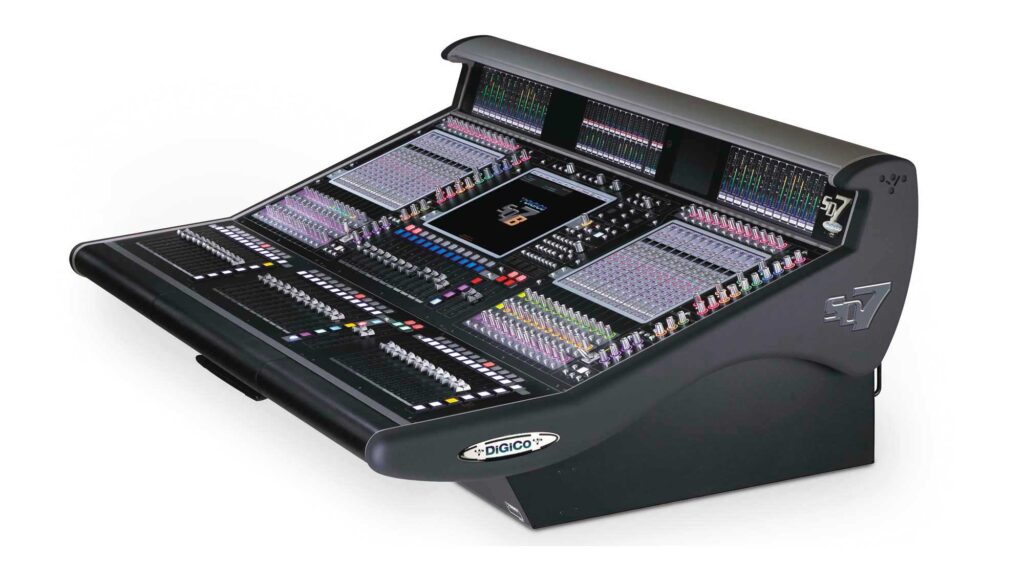
DiGiCo – SD7 Quantum

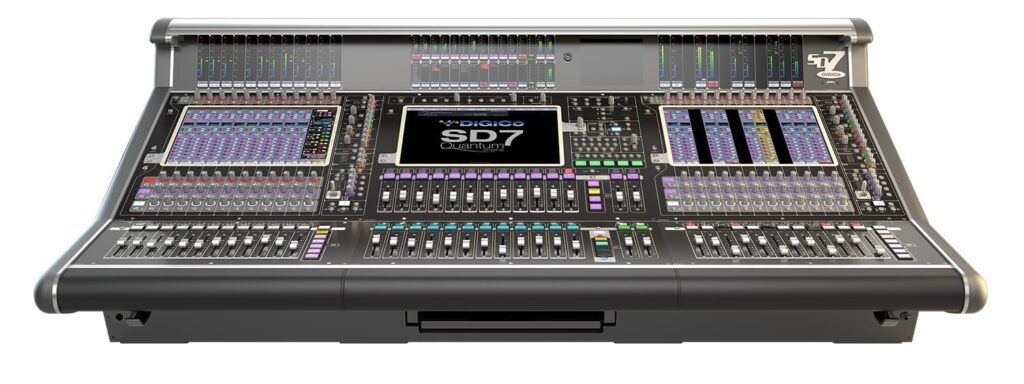
Quantum is a newer and smarter engine which offers so much more to users on so many levels, and allows engineers to upgrade into new generation technology with no learning curve whatsoever.  When DiGiCo built SD7, we never thought anyone would fill the console. However, due to the constant rise in production values, and audiences demanding more and more from their favourite artists, tours are now regularly pushing multiple SD7s to maximum capacity. Shows are way bigger than they used to be and as a result, engineers need a lot more outputs, signals, and channels.   To address this issue, we have developed Quantum, a newer and smarter engine which offers so much more to users on so many levels, and allows engineers to upgrade into new generation technology with no learning curve whatsoever. In creating Quantum, we wanted to guarantee that our customer base could maintain a return on their historical investment by providing them an affordable engine upgrade for their existing work surface.  We needed to make the next major technological step forward, into generation seven FPGA technology, and that's what Quantum has done. It will make shows easier to manage, with plenty of room for growth; it's a more flexible system, four generations newer in terms of capacity, therefore so much more can be done with it. Faster, more efficient, future-proof, and way more powerful.
  • Mixers
digico-sd7b
  • DiGiCo

DiGiCo – SD7B

Though identical in appearance to the SD7, the SD7B goes a stage further as it has been developed for broadcast applications. Though identical in appearance to the SD7, the SD7B goes a stage further as it has been developed for broadcast applications. As well as full Flexi channel capability, routing flexibility has been vastly increased to allow for LCRS and 5.1 mixes as well as stereo and LCR. In addition, broadcast-specific features include a complete 5.1 monitor matrix with 48 x 6 source to speaker selection; mutli channel folding; user defined stem order selection; Mix Minus busses (one per mono channel); backstop PFL (over press) and Auto PFL; and Audio Follow Video implementation.  Scratching the surface A combination of technologies have been seamlessly integrated into the SD7B's worksurface to meet the everyday needs of any engineer. We've managed to pack them into three user-friendly interactive 15-inch high-resolution touch screens, each of which accommodates a bank of 12 faders,  to provide the user with the perfect platform – everything is just 'where it should be'. To make navigation even easier, we've added high-definition interactive meter bridges and multicoloured knobs and switches; and for further functionality and flexibility, 16 assignable faders (one bank of 12, one bank of four) sit neatly below the master screen in the centre of the console, taking the SD7B's fader tally to a sizeable 52. To increase the fader count further for multi-engineer applications and shows, an EX-007 Fader Expansion unit is available. Two EX-007s can be connected via a simple Cat5e connector for remote control or simply to increase your fader count to 100.
  • Mixers
digico-sd31_1200px
  • DiGiCo

DiGiCo – S31

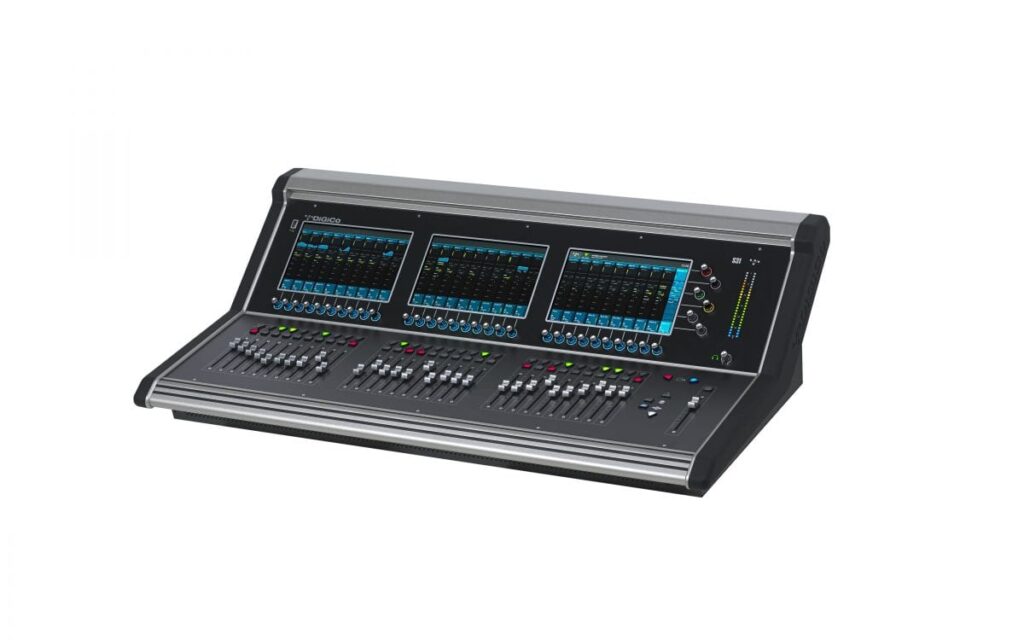
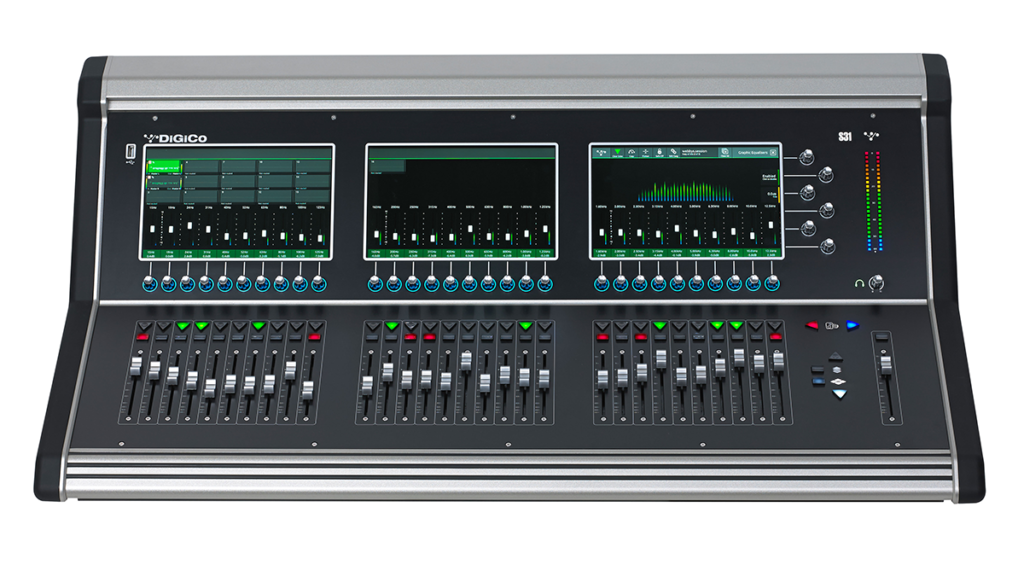
Meet the S31, the latest console in the S Series, which opens even more doors, allows for increased functionality and accessibility, all at an affordable price point. This time around, there are 31 faders, and three 10" multi-touch screens... And it'll still fit in back the of the car! When the S21 was unveiled to the public, engineers were immediately drawn to it. Never before had a console so compact been capable of this standard of audio quality, power, flexibility, and you could fit in the back of your car! Its two multi-touch touch screens broke the mould for small format consoles, with 21 faders, and bundles of I/O. Now, DiGiCo has gone one step further. Meet the S31, the latest console in the S Series, which opens even more doors, allows for increased functionality and accessibility, all at an affordable price point. This time around, there are 31 faders, and three 10" multi-touch screens... And it'll still fit in back the of the car! Scratching the surface It's a given that with any DiGiCo product, audio quality is of paramount importance; the SD Series is testament to this, be it the rack mount SD11 or the flagship SD7, audio performance comes first. With the introduction of the S Series, DiGiCo used the same principles, developing a smart concept with the same core FPGA engine algorithms and processing, all running at 96kHz, which means no loss in audio quality or functionality. The S31 is now the bigger version of the S21. The S31’s expanded work surface offers 10 additional faders for more control and two other multi touch screens for faster access and more visual feedback. Ideally suited to applications where more instant control and feedback are critical to the operator. We at DiGiCo also know that many engineers like to keep their VCAs separate; this is now easily achieved, without compromising your preferred workflow with the option of dedicating a section to your VCA’s. Naturally these faders are in groups of 10, so there's plenty of space to build a full production: why not layout a whole drum kit on one bank, an entire strings section on the second, and the band on the third? It just makes everything that little bit more accessible. The S31 still offers the same flexibility as the S21, with 24x Mic inputs and 12x line outputs on the rear of the console, for straightforward audio connection. There are also 2x DMI ports as standard on the console as well as the UB MADI interface for DAW recording. It goes to show that big things do come in small packages. How to make the step To date, it has been the Tiger SHARC controlling the FPGA, but integrating these three technologies, along with networking capabilities, was a brand new challenge. Using the high power QuadCore SoC, associated with high bandwidth memory, S31 connects to a low power 484-ball array FPGA which in turn connects to fourth generation control SHARC DSP, capable of not only controlling the FPGA, but offering the potential for additional processing in the future. The compact footprint of the S31 has no relationship to the scale of processing power going on under the polycarbonate worksurface. Three Touch Screens Touch screens are now part of our daily lives, but if you go back to our digital beginnings, DiGiCo incorporated them in designs as long ago as 1997. Continuing their integration, with the advantages of speed of control and user feedback, meant that S31 had to bend the rules again. We utilised the latest P-CAP multi-touch screens for clear visual feedback and gesture control, but also did not limit the user to a single screen - by providing multiple multi-touch screens! The compact tripple screen design of S31 provides 10 channel strips per screen allowing the operator instant feedback and control on 20 simultaneous channels. This amount of instantaneous feedback offers total reassurance when mixing large shows, but the newly designed drag, swipe and drop channel layout system makes it simple for operators to move channels and busses across the surface to design their own custom fader layouts. Whatever function you are using, there is an interactive meter where you would expect it, and helpful colour coding so you know which section you're looking at, be it channel, aux, or group. Visual feedback is all reinforced with the HTL functionality of the encoder rings, and anything not in use is automatically greyed out on the console so operator's attention is drawn to the right controls. The beauty of having three screens not only gives you more channels to view at any one time, but it allows you to utilise one as a setup or master screen, while still operating with the other. You are always looking in the same location, whatever function you have highlighted. Touch the EQ screen, and you can choose to pinch, touch and drag your curves on the touch screen, or for a more tactile experience, use the rotary encoders to fine-tune your frequencies, then press to change function or switch on/off. It's the same philosophy for all other processing functions within the console. The new look screen designs are all developed under the flat designs philosophy, to aid the user learning curve and take away distraction from an operator. These new designs will still be familiar to existing DiGiCo users, but allow new operators to feel at home and ready to take advantage of the wealth of integrated processing.  Channel Bank Layout: as with all DiGiCo products, you can alter where the banks are located, and mix and match any channel, aux, group, control group, or matrix within a bank, with the ease of drag and drop, at the touch of a screen. Interfacing S31 comes complete with dual DMI (DiGiCo Multichannel Interface) option card slots, perfect for expandability, as it can interface with industry formats be it Analogue expansion, MADI, Dante, Waves SoundGrid, or Calrec’s Hydra 2 Network. For Dante, the S31 uses the DMI-Dante interface card.
  • Mixers
digico-4REA4
  • DiGiCo

DiGiCo – 4REA4

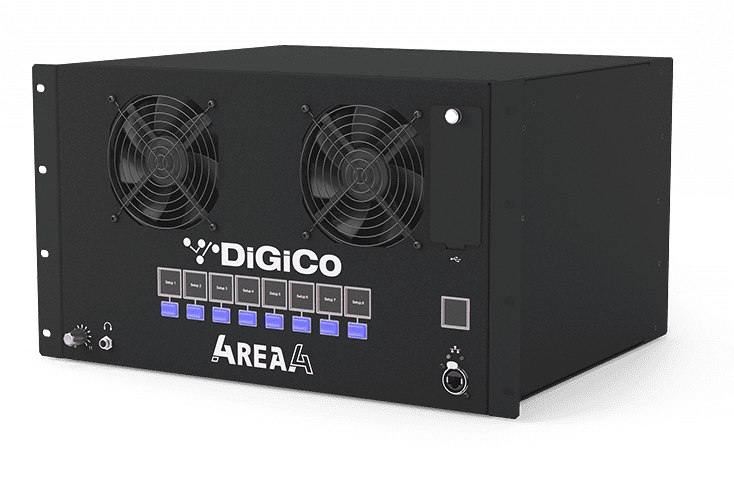
At the heart of the system is the 4REA4 processing engine with DiGiCo connectivity options and powerful 4REA4 control software, providing routing, processing and mix control that allows your performance area to expand across your installation. With the release of 4REA4, DiGiCo is pushing the boundaries again with a new audio installation platform designed to deliver the highest quality performance across multi-space venues and stages. At the heart of the system is the 4REA4 processing engine with DiGiCo connectivity options and powerful 4REA4 control software, providing routing, processing and mix control that allows your performance area to expand across your installation. DiGiCo has been at the heart of live performance audio for over 15 years, creating digital consoles used by engineers the world over, who want the best in sound quality, usability and reliability. From the biggest live tours to the largest houses of worship and theatres, DiGiCo has been shaping the future of digital live sound that has transformed how live engineers mix. The processing engine rack has four dedicated mix areas, or zones, each with its own stereo master output, CGs, and allocated FX. Plus, with 128 input channel and 48 buss output processing strips available you can independently allocate processing to whichever area as required. Managing the mixing and routing of each individual performance area are a new range of premium designed hardware control panels and external I/O units with intelligent labelling and visual feedback, that work in conjunction with the 4REA4 processing engine and control software.
  • Mixers
digico-sd12_1200px
  • DiGiCo

DiGiCo – SD12

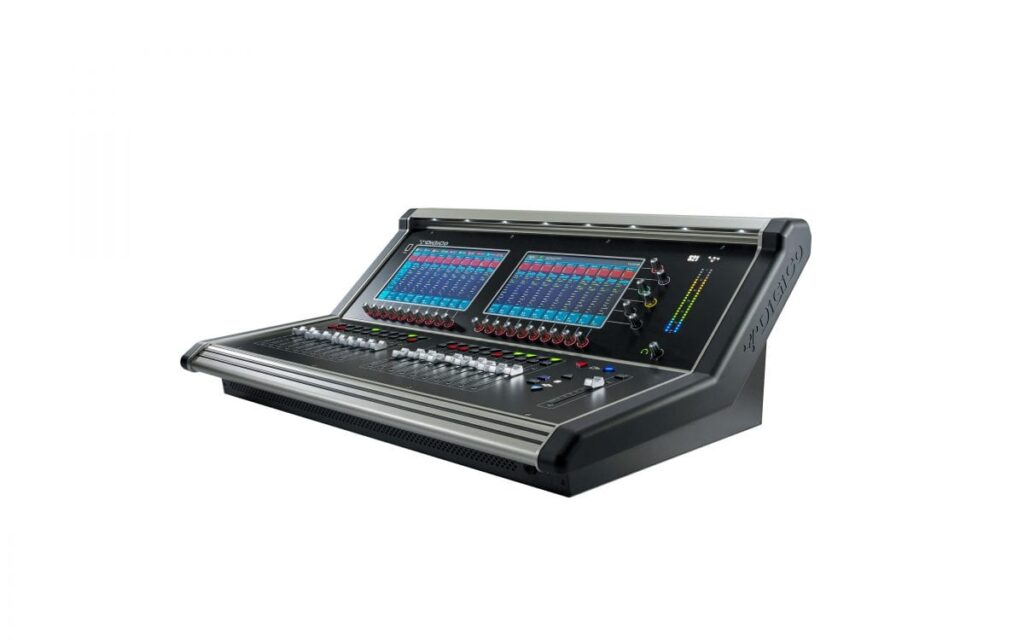
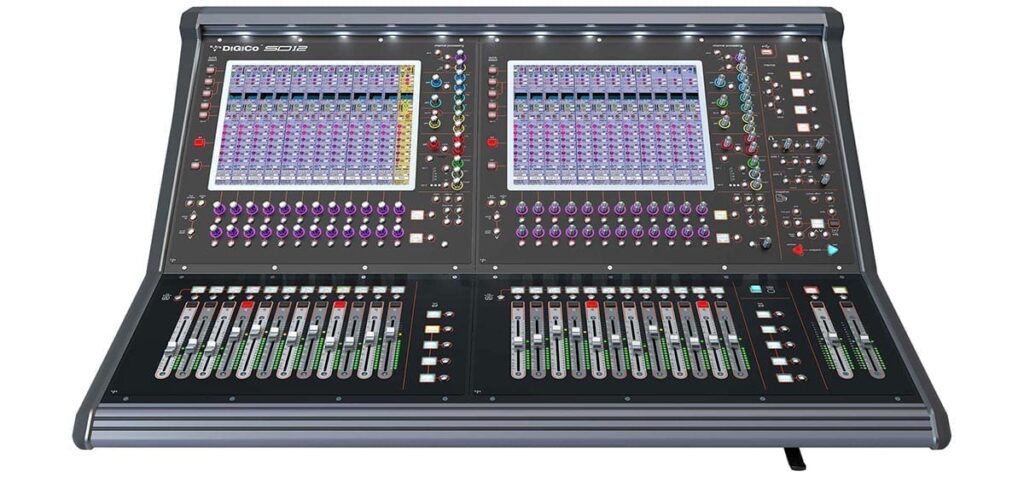
The SD12 is set to raise the bar in terms of what users will now expect from a compact, affordable, multi- application digital console. The SD12 is set to raise the bar in terms of what users will now expect from a compact, affordable, multi- application digital console. Not only is SD12 a true sonic powerhouse, it also benefits from dual 15-inch touch screens, never before seen on a console in this price bracket, and is the first in the SD Range with built-in recording interfaces; which makes Virtual Soundchecking very straightforward indeed. Furthermore, the SD12 now includes a DVI output, for an overview of the console. New LED meters allow for a brighter, faster operation, and the SD12 Lightbar is identical to that of the SD5 and flagship SD7 consoles. And guess what? We even had space for two assignable master faders - only previously seen on the larger DiGiCo consoles - as well as dual DMI Slots, perfect for expandability.
  • Mixers
digico-orange-box_600px|digico-orange-box_600px
  • DiGiCo

DiGiCo – Orange Box

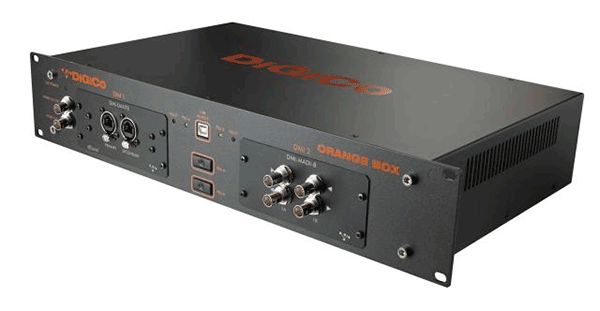
Orange Box With DiGiCo's compact 2U Orange Box, you can use DMI (DiGiCo Multichannel Interface) cards to create audio paths over whatever interface you desire. Orange Box With DiGiCo's compact 2U Orange Box, you can use DMI (DiGiCo Multichannel Interface) cards to create audio paths over whatever interface you desire. The Orange Box has 2 PSUs for redundancy, and 2 slots to accommodate any of our ten different interfaces that allow you to convert pretty much any format to another. How? We have Slot A and Slot B, let's say you have MADI on your product, but you want to go to Dante. No problem, just buy a DMI with MADI, and a DMI with Dante, connect them up via the two slots, and away you go. It's the same with Hydra 2, Optocore, Aviom, AES, Analogue, and so on. This cool little ‘anything in, anything out' box essentially gives you a choice of Multichannel user interfaces that enable you to send audio wherever you want, in whatever format you choose.
  • I/O Interfaces
digico-sd11_1200px|digico-sd11_1200px
  • DiGiCo

DiGiCo – SD11

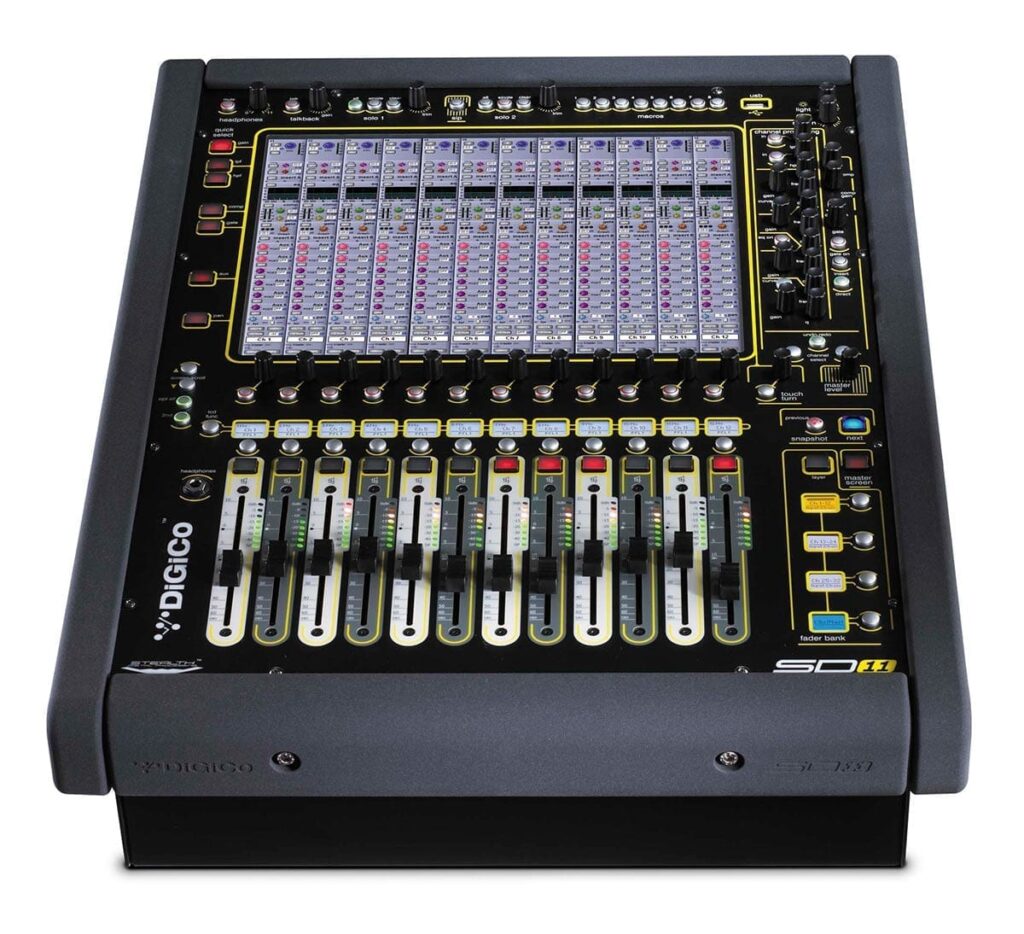
The SD11 is the smallest by far of all the DiGiCo consoles, though don't let that deceive you: this 19-inch rack mount or table top mixer is a very powerful solution that can be incorporated into pretty much any mixing environment. The SD11 is the smallest by far of all the DiGiCo consoles, though don't let that deceive you: this 19-inch rack mount or table top mixer is a very powerful solution that can be incorporated into pretty much any mixing environment; like its bigger brothers, the SD11 is also powered by Stealth Digital Processing and floating point Super FPGA technology, and transporting it couldn't be easier – just pop it on the back seat of the car. This easy-to-use mixer delivers extremely high performance at a staggeringly competitive price point.    The SD11 is manufactured with a steel chassis and a polycarbonate-overlaid aluminium worksurface which makes it super-lightweight. Its user interface comes courtesy of DiGiCo's trademark 15-inch, high resolution TFT LCD touch screen with backlit display; and its 12 touch sensitive moving faders guarantee a simple and intuitive workflow. 
  • Mixers
digico-sd10_1200px|digico-sd10_1200px
  • DiGiCo

DiGiCo – SD10

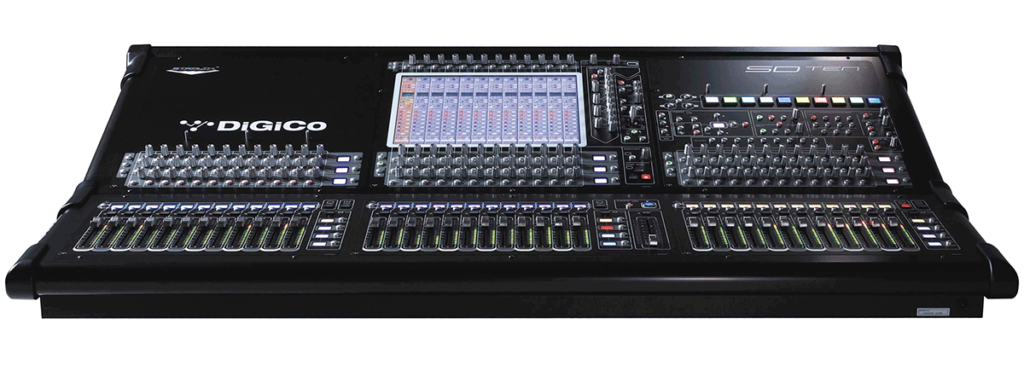
SD Ten features three banks of 12 motorised faders and one master fader, each of which benefits from its own high resolution LED bar graph meter. The SD Ten includes many of our flagship SD7's features and benefits, including Stealth Digital Processing and floating-point Super FPGA technology, and provides a fully-loaded feature set that will cater to any front-of-house or monitor engineer's needs.  SD Ten features three banks of 12 motorised faders and one master fader, each of which benefits from its own high resolution LED bar graph meter. In the centre of the worksurface sits the familiar 15-inch backlit colour-keyed TFT touch screen, home of the console's super-intuitive control interface. The sheer intelligence of the SD Ten means even the most complex of tasks become quick and easy: engineers can recall or save presets on the channel strip; and recall or save snapshots using the master screen or hard wired switches on the console. In addition, special functions can be assigned and accessed instantly via the console's 40 Smart Key Macros (accessible via four layers of 10 RGB backlit keys) at the push of a button. It really is that simple.
  • Mixers
digico-sd9_1200px|digico-sd9_1200px
  • DiGiCo

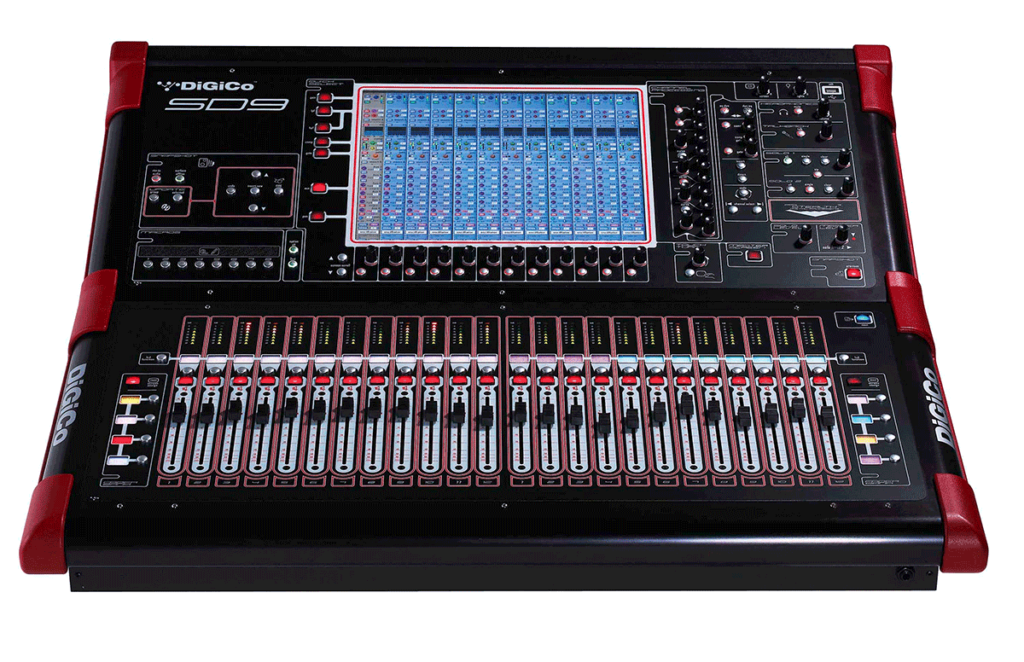
DiGiCo – SD9

The SD9 is a super-flexible, complete integrated system powered by Stealth Digital Processing and floating point Super FPGA technology. The SD9 is a super-flexible, complete integrated system powered by Stealth Digital Processing and floating point Super FPGA technology. This lightweight, small-footprint console was designed with multiple applications in mind therefore is equally suited to life on the road or as part of any fixed installation, be it a theatre, conference centre, house of worship or school. The SD9 provides outstanding performance at a very competitive price point. The SD9 features 24 touch-sensitive motorised faders and benefits from quick access function buttons for faster response times. At the heart of the console's worksurface is a 15-inch, high resolution TFT LCD touch screen with backlit display. In addition, the SD9 benefits from dedicated multi-function control knobs and electronic labelling.
  • Mixers
digico-sd8_1200px|digico-sd8_1200px
  • DiGiCo

DiGiCo – SD8

The SD8 is a particularly versatile console with the same Stealth Digital Processing and floating point Super FPGA technology seen in the flagship SD7. The SD8 is a particularly versatile console with the same Stealth Digital Processing and floating point Super FPGA technology seen in the flagship SD7. The SD8 offers a truly superlative performance at a competitive price, something which will appeal to engineers across the board. There are two versions of the SD8: a 37-channel version, which boasts three banks of 12 motorised faders and one master fader; and the SD8-24, which has all the same power and functionality but in a smaller frame comprising 24 main channel faders and a master fader. At the heart of each console's worksurface is a 15-inch, high resolution TFT LCD touch screen with backlit display. Through this user-friendly interface, any bank of 12 faders can be instantly assigned as input or output channels, allowing all 36 main faders to control inputs if desired; equally, any bank of 12 can also be assigned to the touch screen for fine-tuning. In addition, the SD8 benefits from dedicated multi-function control knobs and electronic labelling.
  • Mixers
1 2