Product Information
1.
Original D-net IOT digital conference IoT system technology, in line with
IEC60914 international standard
2. Support 41kHz/48kHz audio sampling rate, long-distance transmission will
not have any impact on sound quality
3. The host computer and the computer can be connected through TC/IP or
network access WiFi to realize wireless control mode, and the host can
realize IP-based address allocation to realize distributed application
management
4. D-net IOT technology can realize the flexible completion of networking
or independent partitioning of multiple conference systems, and a variety of
conference fields can be used for expansion
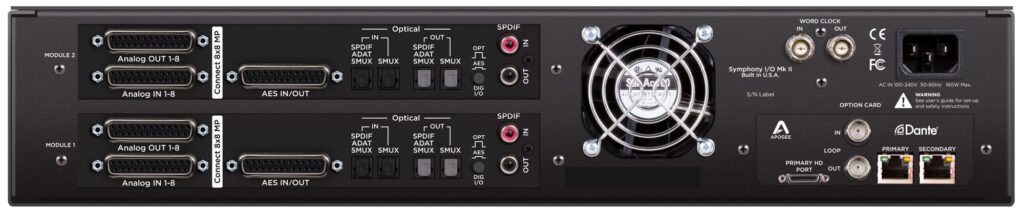
5. Dante network audio interface, support to match any Dante audio
equipment, and realize computer host computer software control and I Pad
software remote control to set various parameter values through the use of
TCP/IP connection;
6. Support Ethernet (POE) and 220V AC mains dual power supply, digital
signal, DSP control, a cable digital link system unit adopts loop loop
connection (1 output, 1 backup input) to ensure that the system can be used
efficiently and normally. The system is more reliable and supports line
“hot plugging”, and microphones can be added to the system at any
time
7. With the camera tracking host, after using the computer preset, the
camera can automatically track and support the preset panoramic
position
8. With D-net IOT digital conference IOT system independently researched
and developed to realize five kinds of directional adjustable modes of pickup
microphone: omnidirectional, cardioid directional, super cardioid
directional, sharp-heart directional, Figure- 8-pointing type;
9. The system host supports dual backup output of analog and digital
signals, and supports dual backup power supply of POE power supply and
external 24V module;
10. Optional external 3.5-inch wall control touch screen for conference
host management and settings, convenient and efficient, and can display the
following information at the same time:
a. Time-limited mode: The speech time limit can be set to 1-60 minutes, and
the speech will be automatically closed when the time is up. After reaching
the power-on quantity, when another representative unit wants to speak, it
will automatically enter the request-to-speak registration queue.
b. First-in-first-out mode: First-in-first-out speaking mode (factory
preset position), after reaching the number of power-on, the speaking unit
opened first is closed by the subsequent speaking unit.
c. Application for speaking mode: the speaking of the representative unit
needs to be approved by the chairman unit or the operator. In this mode, the
chairman unit always keeps the normally open state.
d. First-in-first-out mode; you can choose 1/2/4/6 microphones to speak at
the same time, and the chairman microphone and VIP microphone can be preset
without restriction.
e. Volume adjustment of main output
11. The system can be connected to PC control to realize centralized
microphone management. Through software, microphone pickup gain adjustment,
forced switch, speaker information registration, can initiate sign-in
function, detect microphone line conditions, software set VIP unit, VIP unit
The switch is not limited by the number of conference units that are open at
the same time and the speaking mode